When planning a digital transformation or upgrading legacy systems within the Microsoft ecosystem, enterprises frequently face a critical architectural decision: Should we implement Microsoft Dynamics 365 Finance & Supply Chain Management (F&O) or Microsoft Dynamics 365 Business Central (BC)?
While both solutions share Microsoft's modern Azure cloud foundation, Power Platform extensibility, and AI capabilities, they are engineered for organizations of fundamentally different scales, operational complexities, and multi-entity structures. Choosing the right platform is pivotal to your project's long-term ROI.
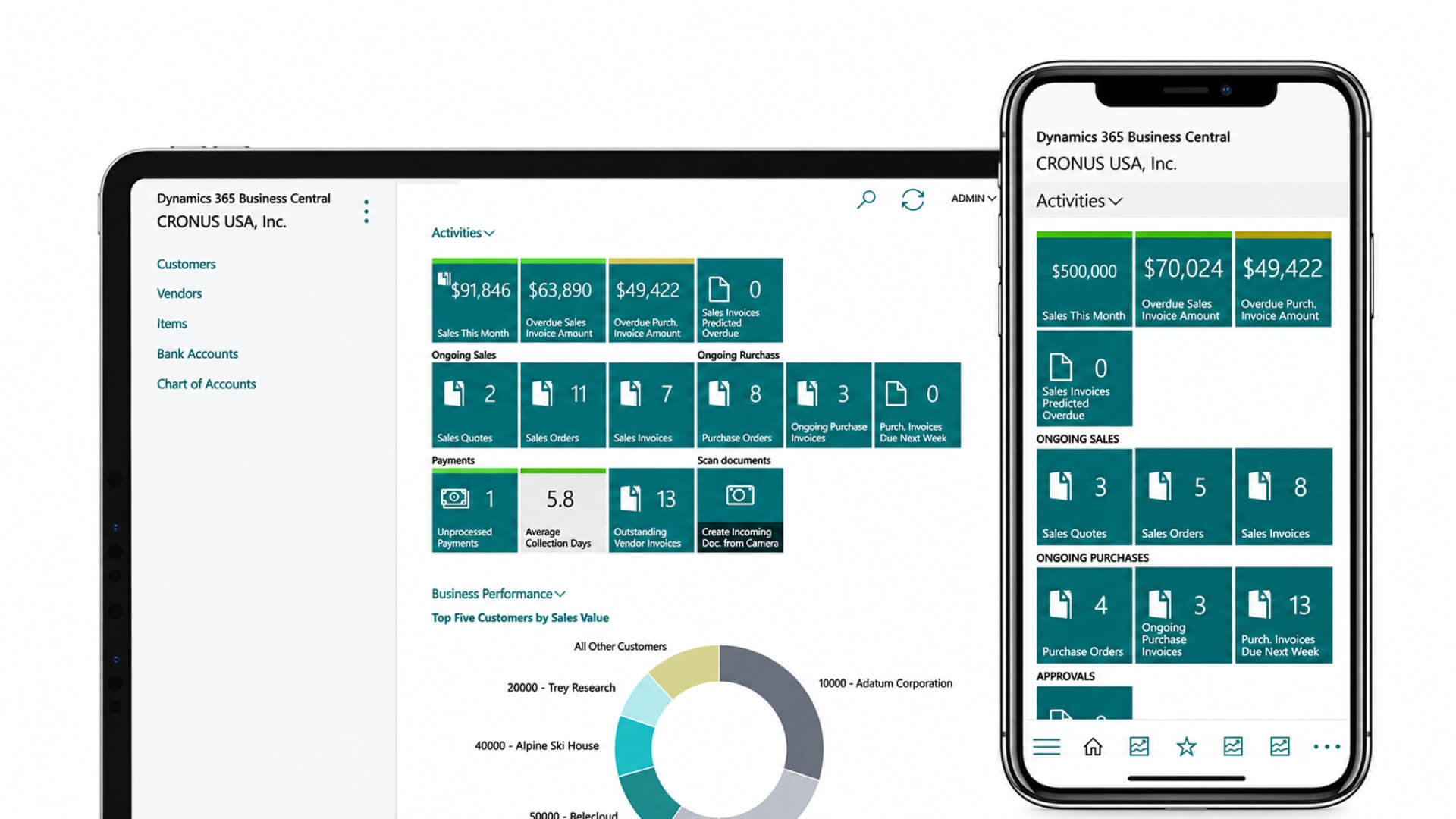
As a general rule of thumb, Dynamics 365 F&O is a powerhouse enterprise ERP tailored for large, complex global organizations, whereas Dynamics 365 Business Central is the premier agile cloud ERP designed for small-to-medium businesses (SMBs) and regional subsidiaries.
The comprehensive comparison below breaks down their core differences across architecture, manufacturing, global compliance, implementation, and deployment.
At-a-Glance Comparison Matrix
Detailed Comparative Analysis
1. Customer Positioning & Organizational Complexity
- Dynamics 365 F&O: Developed explicitly for large international organizations operating across multiple geographies, regulatory frameworks, and legal entities. It handles massive transaction volumes and deep organizational hierarchies effortlessly.
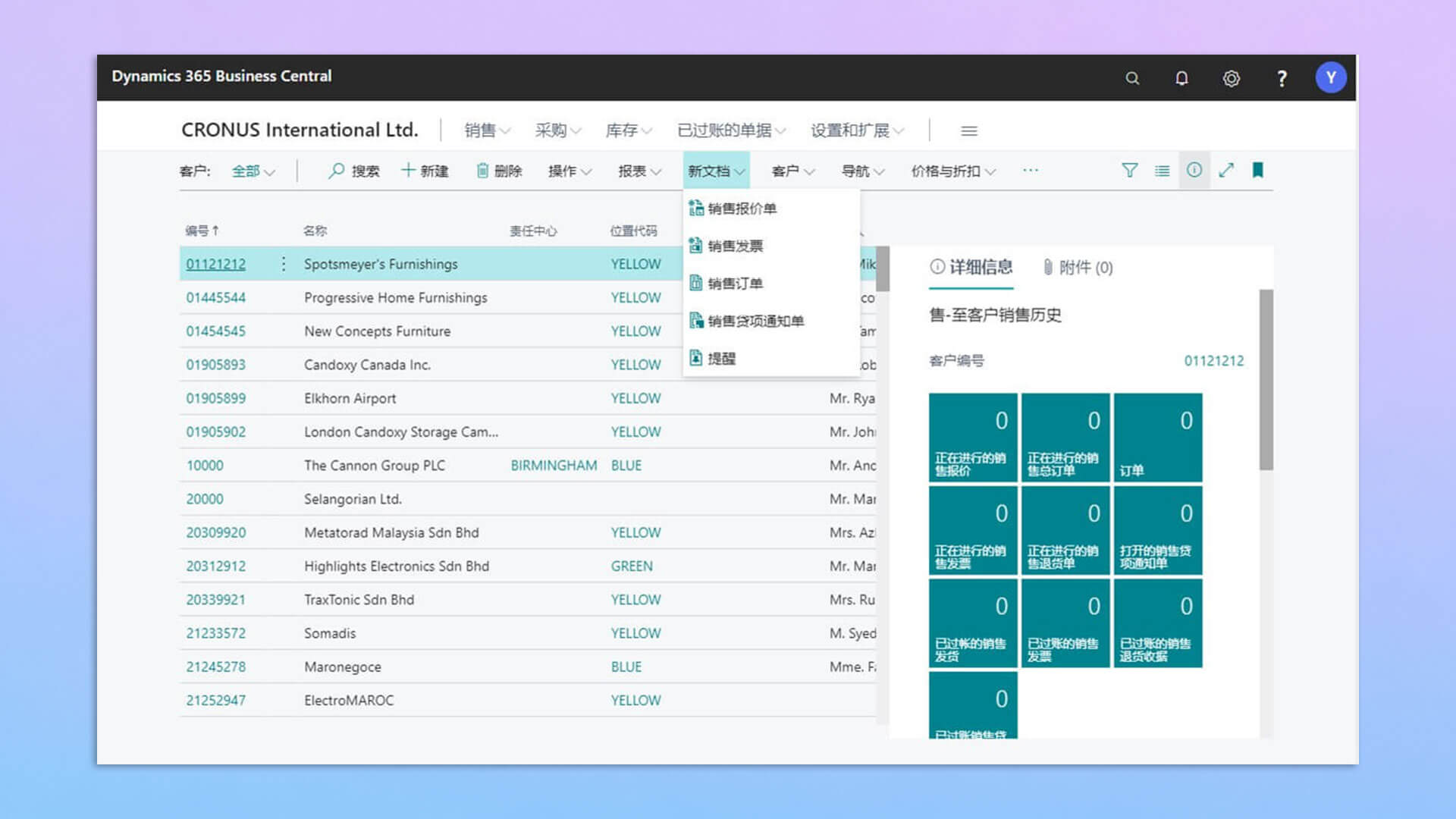
- Dynamics 365 Business Central: Targeted primarily at growing medium-sized businesses and regional divisions. It delivers enterprise-grade financial and operational intelligence without the administrative overhead of a heavy corporate ERP, allowing mid-market companies to scale rapidly.
2. Global Operations & Two-Tier ERP Strategy
- Dynamics 365 F&O: Offers centralized Master Data Management (MDM), granular intercompany eliminations, and sophisticated financial standard management across diverse international tax jurisdictions.
- Dynamics 365 Business Central: Increasingly deployed in Two-Tier ERP strategies. For instance, many multinational corporations running SAP or Dynamics 365 F&O at global headquarters choose Business Central for their regional sales or manufacturing subsidiaries in China and Asia. It ensures local statutory compliance while seamlessly synchronizing summary financials back to corporate HQ.
3. Manufacturing & Supply Chain Complexity
- Dynamics 365 F&O: Delivers an end-to-end manufacturing suite supporting discrete, process (batch/formula), and lean production. It includes advanced warehouse management (WMS), transportation management (TMS), and complex shop-floor execution.
- Dynamics 365 Business Central: Focuses heavily on discrete manufacturing. It provides integrated production orders, multi-level BOMs, assembly management, and resource scheduling—perfect for SMB manufacturers seeking robust control without over-engineering.
4. Implementation Effort & Total Cost of Ownership (TCO)
- Dynamics 365 F&O: Because of its immense breadth and configuration depth, implementing F&O requires rigorous business blueprinting, extensive decision-making, higher consulting investments, and longer deployment timelines.
- Dynamics 365 Business Central: Built for rapid deployment using Microsoft's structured implementation methodology. It features lower initial implementation costs, simpler administrative maintenance, and a significantly shorter time-to-market.
5. Deployment Options in Regulated Markets (Localization & China Compliance)
- Dynamics 365 F&O & Business Central: Both platforms support cloud SaaS, hybrid, and private server installations.
- For enterprises operating in Mainland China under strict data residency and cybersecurity regulations (such as the Data Security Law and PIPL), Dynamics 365 F&O can be deployed locally via Microsoft Azure operated by 21Vianet. Similarly, Business Central can be paired with certified local compliance packs (such as Tectura’s China Localization Package) to meet statutory reporting (LiXin financial statements) and Golden Tax integration requirements.
Conclusion: Which Solution Should You Choose?
Neither system is universally "better" than the other; success depends entirely on matching software capability to your enterprise scale, transaction volume, and operational complexity.
- Choose Microsoft Dynamics 365 F&O if you are a large enterprise requiring global multi-entity consolidation, complex process manufacturing, and high-volume multi-warehouse logistics.
- Choose Microsoft Dynamics 365 Business Central if you are a growing mid-market business, a discrete manufacturer, or a multinational subsidiary seeking a nimble, cost-effective, AI-ready cloud ERP.
Next Steps: Expert ERP Advisory with Tectura
Investing in an ERP platform is a transformative milestone. Before committing to an architecture, conducting a thorough readiness assessment with seasoned advisors is essential.
As a premier Microsoft Solutions Partner with over 25 years of global and regional implementation experience, Tectura helps organizations navigate ERP selection, architecture design, and statutory localization.
Contact Tectura today to schedule a 1:1 ERP fit-analysis consultation or request a live demonstration of Dynamics 365 F&O and Business Central.